Workwear & Uniform Manufacturing for 12 Industries
Unified branding and bulk delivery, from fabric durability to size coverage.

What We Do for You
Corporate programs demand consistent branding, durability and reliable bulk delivery. From abrasion-resistant fabrics and color fastness to full size coverage and per-department packing, we handle the whole program to your company standard.
- Fabrics selected to workwear standards for abrasion, color fastness and wash durability
- Logo embroidery/printing and department color coding under one spec
- Full size runs with bulk grading from staff measurement lists
- Per-department and per-store packing and delivery
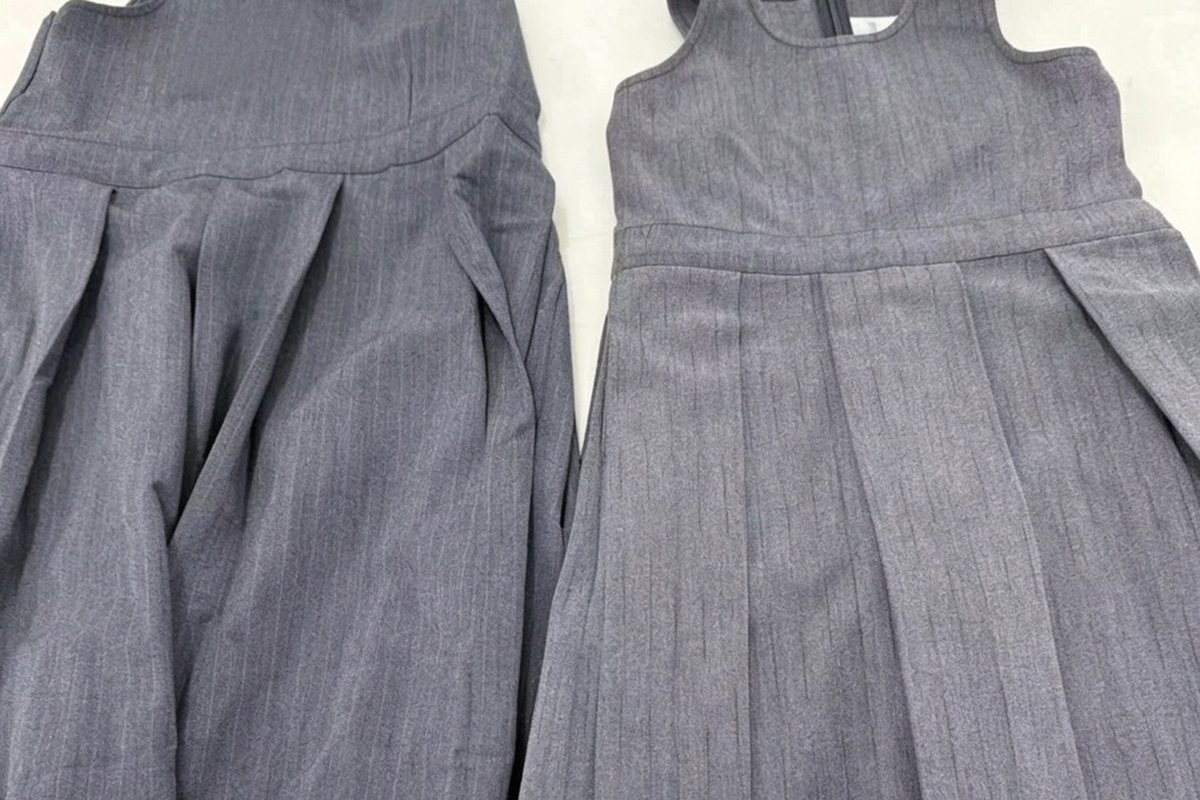
- School uniforms made with children's-textile safety-compliant fabrics and testing
- Annual framework agreements with rolling restock and consistent reorders
Ideal for corporate procurement, chain stores and hotels, factory & engineering teams, schools and organizations.
Workwear is not one product: twelve industries, twelve ways of making it
Three different products hide behind the word uniform
Workwear — also called uniforms, corporate wear, staff uniforms, or simply 'work clothes' — looks like one product line. It is three.One represents the brand, one carries protection, one absorbs wear. Use the wrong fabric and the problem shows up three months later.
As a workwear manufacturer we treat fabric, construction and acceptance criteria as three separate specifications, so quotes between them are not comparable either. The table below is for filtering: find your category, read the core requirement, then go to the detailed sections.
Twelve industries, side by side
Use this to locate your own requirement before reading the detail sections — a corporate uniform supplier catalogue rarely separates these twelve this clearly.
| Industry | Typical roles | Core requirement | How we build it |
|---|---|---|---|
| Hotels | Front desk / housekeeping / kitchen / banquet | 50+ industrial washes, shape retention, flame resistance in kitchen | Wool blend or high-count poly-viscose for front desk; chlorine-bleach resistant for housekeeping; role colour-coding |
| Restaurant chains | Front of house / kitchen / delivery | Oil release, high-temperature washing, role identification | Collar or piping colour by role; delivered per store, one carton each with a role list |
| Corporate offices | Reception / admin / sales / technical | Structure, easy-care, department colour, logo position | 8 cm left-chest embroidery, backing on dark grounds; 3 trial garments before full grading |
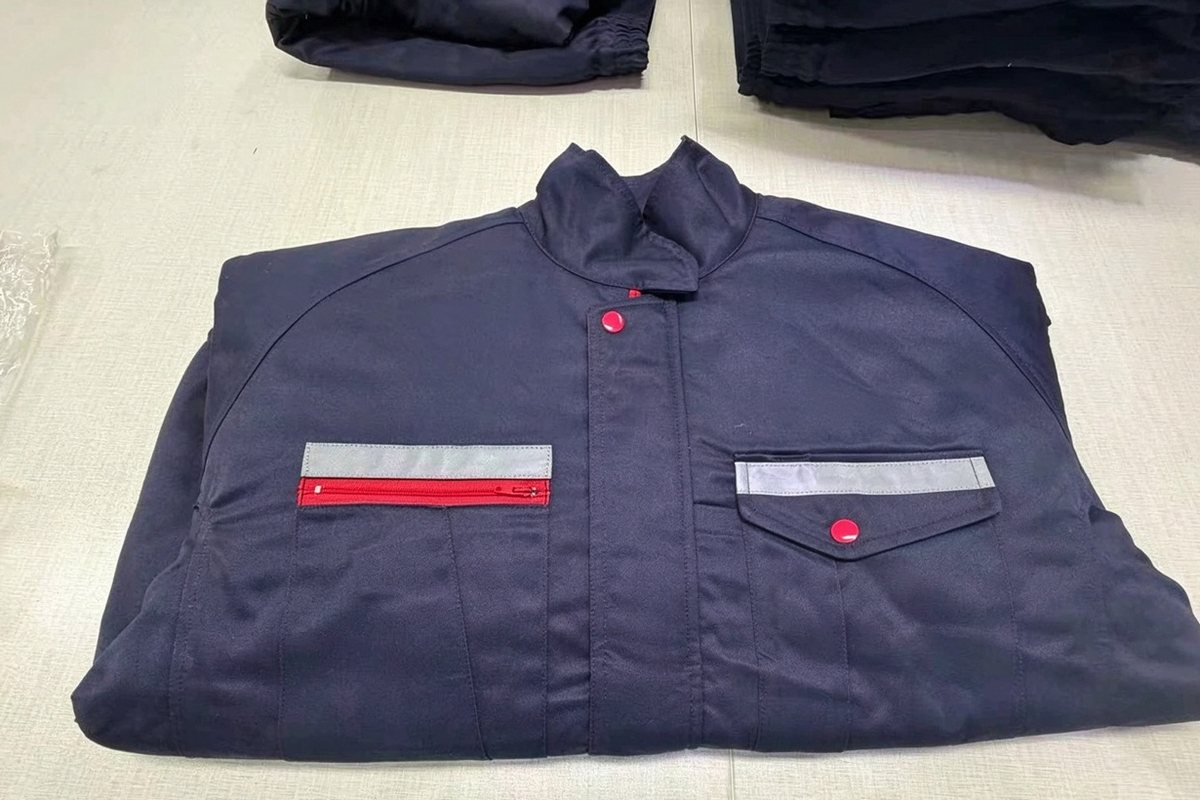
| Factory floors | Electronics / mechanical / chemical / welding | Anti-static GB 12014, flame retardant GB 8965.1, abrasion | Conductive yarn for electronics; 160–180 gsm moisture-wicking for summer so staff actually wear it |
| Logistics & courier | Sorting / loading / delivery | Reflective GB 20653, shoulder reinforcement, S–5XL | M/L/XL in stock, special sizes by name list; reflective vest for night shifts |
| Medical & pharmacy | Nurses / scrubs / lab coats / care staff | Chlorine-bleach resistance, antimicrobial finish, disinfectable | Colour by department; ask the supplier for the wash durability of the antimicrobial finish |
| School uniforms | Primary / junior / senior | GB 31701 + GB/T 31888, growth allowance | Sports, formal and winter sets; 3–5 cm allowance at primary; order 45 days before term |
| Security & property | Guards / cleaning | Detachable epaulettes, shape retention, night visibility | Snap-on epaulettes, never sewn shut; dark stain-hiding fabric for cleaning, cuffed hems |
| Beauty & salon | Stylists / therapists / assistants | Fashion relevance, resistance to dye and oil | Apron construction, colour matched to the salon |
| Retail & supermarkets | Shop floor / replenishment / promo | Strict VI alignment, fast seasonal turnover | Colour, cut and logo position set by the brand; lead time counted back from opening day |
| Events & sports events | Volunteers / crew / staff | 7–15 day turnaround, accurate print colour, full size range | Simple styles — tees, vests, windbreakers; produce 5% spares |
| Construction & power | Site / electrical / engineering | Flame retardant GB 8965.1, high visibility GB 20653, tear strength | Never switch reflective tape supplier; annual frame agreements lock batch consistency |
Focus 1: hotels and restaurants — wash cycles are the hard number
For a hotel uniform supplier the first test is wash cycles, the second is appearance. A hotel uniform splits into four lines: front desk (suit, waistcoat, shirt, tie), housekeeping (polo, apron, work trousers), kitchen (chef jacket, waterproof apron) and banquet (same standard as front desk but lighter).
Restaurant chains add a layer of role identification: front of house, kitchen and delivery distinguished by collar or piping colour, so customers and store managers can tell who does what at a glance. These orders usually ship per store — one carton each, labelled with the store name and role list.
Focus 2: school uniforms — the only category with a mandatory national standard
For a school uniform manufacturer this is the most tightly regulated category in workwear. GB 31701 governs safety for infants' and children's textiles; GB/T 31888 governs quality for primary and secondary school uniforms. Formaldehyde, pH, colour fastness, cord length and sharp points on attachments are all tested. Ask for the report covering the actual production batch, not a generic certificate.
Timing matters more than price: order 45 days before term starts. Later than that and neither fabric nor capacity can be scheduled. School tenders normally require past project references and stamped test reports — prepare both in advance.
Focus 3: factory floors — choosing between three safety standards
Industrial workwear is about safety and durability, not appearance. Three role types map to three standards; choosing the wrong one means no protection at all.
| Role | Core standard | Fabric direction | Watch out |
|---|---|---|---|
| Electronics, precision assembly | Anti-static, GB 12014 | Fabric with conductive yarn | Provide an ESD wrist strap point and grounding design |
| Mechanical, chemical, welding | Flame retardant, GB 8965.1 | FR-treated cotton or aramid blend | No melt-dripping synthetics |
| General assembly | Abrasion resistance, multiple pockets | Poly-cotton twill with elbow and knee reinforcement | Switch to moisture-wicking in summer or staff will not wear it |
An easily missed point: a hot factory floor plus a non-breathable fabric means the garment stays in the locker. Summer versions should use moisture-wicking fine-denier polyester or a cotton-linen blend at 160–180 gsm, which beats heavy twill in practice.
Measuring and size sets for 50 people or more
Two approaches: size-set allocation and individual measuring. Which one depends on headcount, how uniform the roles are, and how much the appearance matters.
What a tender or procurement pack needs
Corporate procurement and school tenders ask for the same six items. Missing one means a round of chasing and a missed window. We prepare to this list.
Five ways workwear programmes fail
| Problem | Consequence | Prevention |
|---|---|---|
| Shade variation | Mixed dye lots produce visible light and dark within one delivery | Reserve the full quantity from a single dye lot |
| Shrinkage | No pre-shrinking; two washes and the garment is short | Pre-shrink the fabric before cutting |
| Colour bleeding | Poor fastness on dark shades marks underlayers and seating | Specify grade 4+ colour fastness |
| Logo misplacement | Hand positioning drifts beyond 5 mm across a run | Laser positioning with first-piece verification |
| Reorder shade drift | Six months later the new batch is visibly different beside long-serving staff | Reserve fabric against the estimated annual volume |
All five are locked at sample-sealing stage. Anything that can be locked early should not be left for bulk to rescue — in workwear, one garment's problem is the batch's problem.
How a uniform programme runs
Urgent orders can compress to 10–12 days if stock fabric is used and the style is not substantially changed. The school-start and new-year changeover seasons are capacity peaks — book 45 days ahead to secure a slot.
Key specifications
| MOQ | 200 pcs per style, colours combinable; blanks from 30 |
|---|---|
| Sampling | 3–5 days |
| Bulk | 15–25 days, rush 10–12 days |
| Sizing | Size sets for 50+, individual measurement for outliers |
| Branding | Embroidery / print / heat transfer |
| Standards | GB 31701, GB/T 31888, GB 8965.1, GB 12014, GB 20653, EN ISO 20471 |
Related categories: Custom shirts · Custom jackets · Custom trousers · Kids & school wear
Pattern making, cutting, sewing and inspection all happen in-house


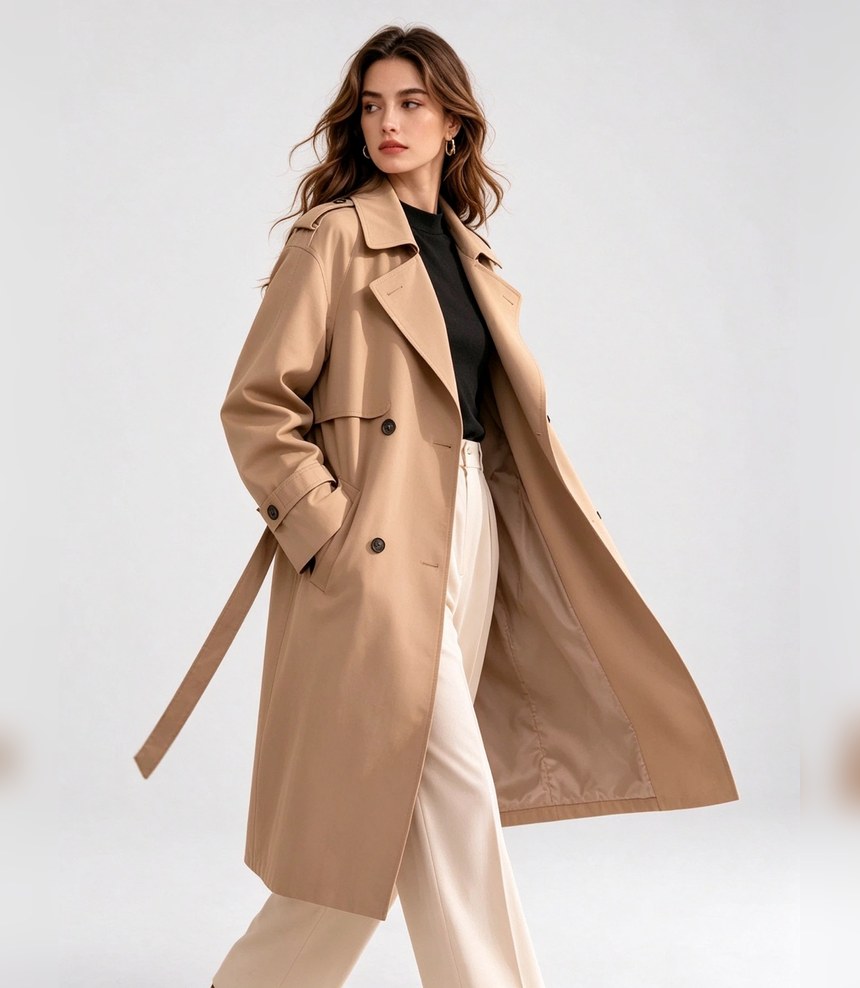
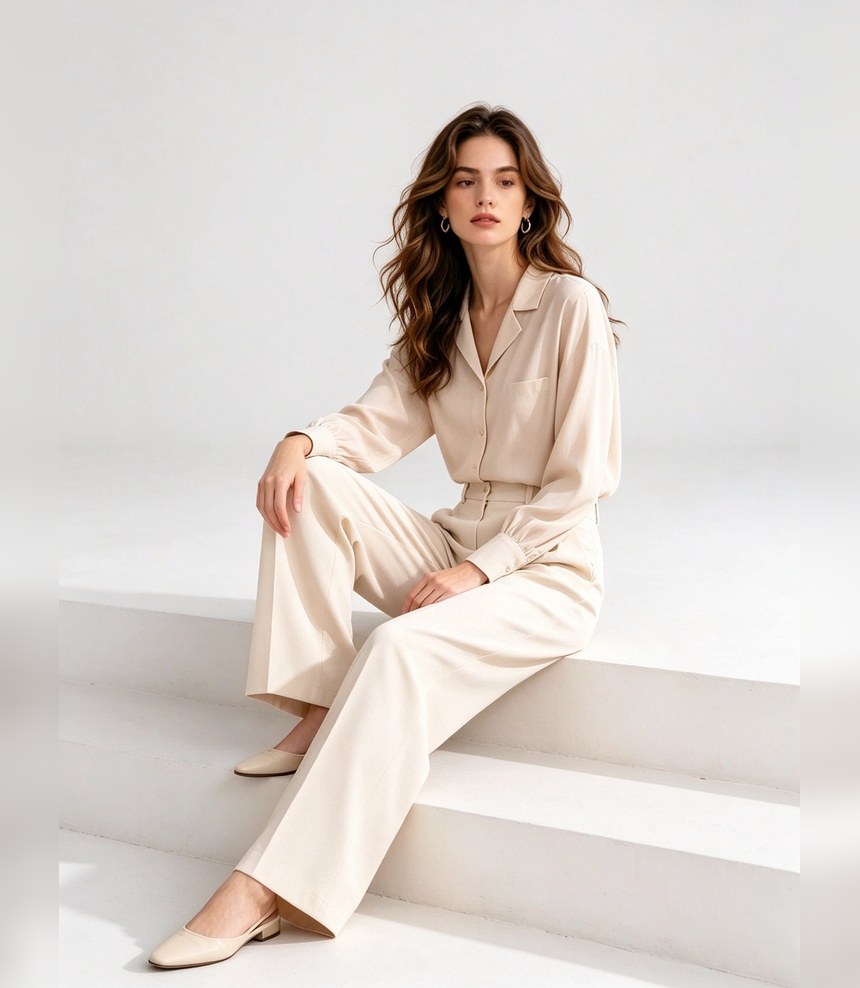
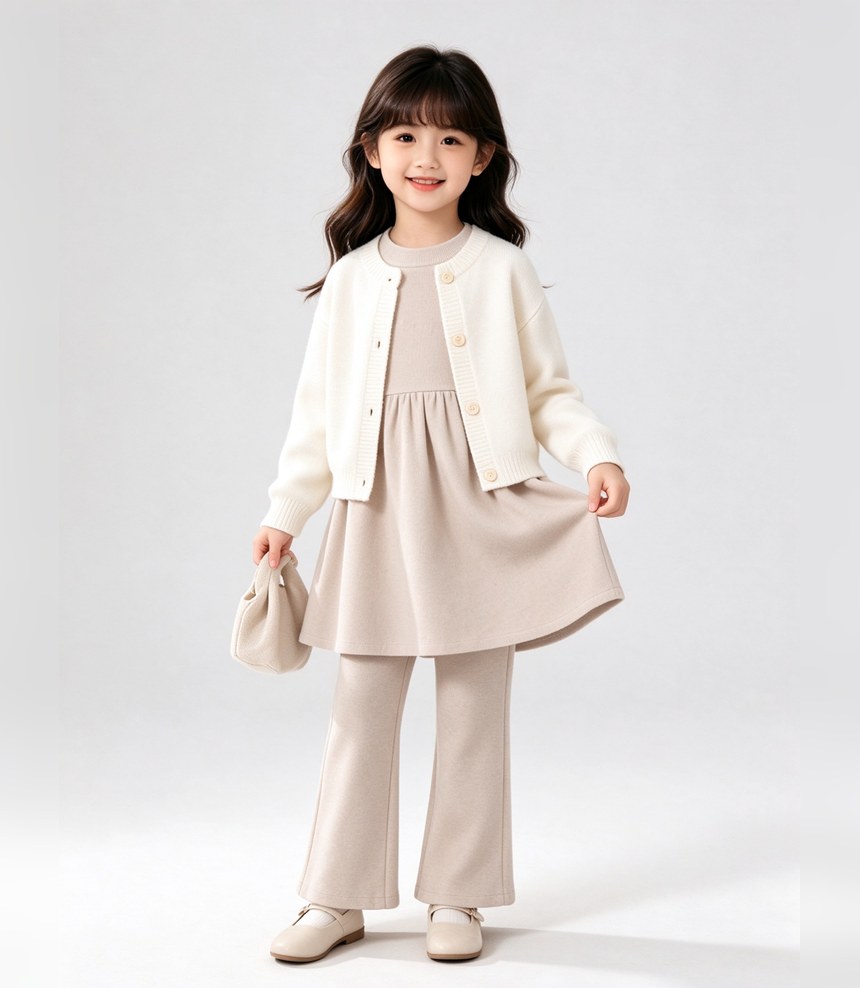
School uniforms, corporate uniforms, hotel uniforms and workwear — developed to industry standards and annual uniform cycles




Frequently Asked Questions
How much does a uniform programme cost?
Price is driven by fabric, construction and quantity, not by style. Quantity tiers (500 / 1,000 / 2,000 pcs) move the unit price the most; embroidery, lining and flame-retardant fabric all add cost. Send roles, headcount and a budget range and we return an itemised quotation within 48 hours, with fabric, making charge, trims and branding listed separately.
What is the difference between workwear, uniforms and corporate apparel?
Mostly context. Workwear implies functional, task-based clothing; uniforms imply standardised issue across a workforce; corporate apparel implies office and front-of-house image. In practice they overlap, and we select fabric by industry and role rather than by the label used.
What is the minimum order quantity?
200 pcs per style (blanks from 30), and different colours of the same style can be combined. For smaller teams, a single style split across roles keeps the order above the minimum while covering every position.
Which standards apply to school uniforms?
In China, GB 31701 covers safety for children's textiles and GB/T 31888 covers school uniform quality. Testing includes formaldehyde, pH, colour fastness, drawstrings and sharp points on attachments. Ask for the test report for the actual production batch, not a generic certificate.
How many washes will a hotel uniform survive?
Front office and housekeeping styles are built for 50+ industrial washes, with pre-shrunk fabric and controlled colour fastness. Kitchen styles prioritise grease resistance and high-temperature washing. Actual life depends on the laundry process — high chlorine concentration accelerates ageing, so follow the care label.
Embroidery or print for the logo?
Embroidery for small left-chest areas that must survive washing; print for large areas and multi-colour artwork at lower cost; heat transfer for complex gradients or photographic detail. Workwear is washed often, and embroidery generally lasts longest.
How do you handle sizing for 50+ staff?
We send a spreadsheet template for name, department, role, height, weight and usual size. The system suggests a size and a person reviews outliers. Leadership and front-of-house roles can be measured individually. The size sheet comes back within two days for confirmation.
Can we mix sizes in one order and replenish single pieces later?
Yes. The first order can be graded across sizes with no per-size minimum, and single-piece replenishment is available afterwards: 7–10 days on stock fabric, longer on special fabric. We recommend ordering 5% extra in core sizes for new hires and wear.
Can you deliver before a school term or a January uniform change?
Place the order 45 days ahead. School terms and January changes are the two capacity peaks of the year, when fabric, trims and lines are all tight. Later than that, the style or the fabric has to be simplified.
Can you invoice, sign a contract and support a tender?
Yes — VAT invoices, formal purchase contracts, and tender support including business licence, test reports, sealed and stamped samples, itemised pricing and comparable project references.
Can you do a rush order in seven days?
Simple styles on stock fabric — polos, T-shirts, vests — can run in 7–10 days. Suits, shell jackets and flame-retardant garments involve special processes and need 12–15 days minimum. Rush orders carry no surcharge, but style and fabric options narrow.
Can you fit very large or very tall staff?
Yes. The standard size chart runs to 5XL; beyond that we make a individual pattern for a special-size fee. If outliers are a large share of the group, a separate block gives a cleaner look across the team.
Our workshop is too hot in summer and staff won't wear the uniform.
Change the fabric rather than the rule. Summer styles in 160–180 gsm moisture-wicking polyester or cotton-linen breathe far better than heavy twill; for hot areas, short sleeves with mesh panels balance protection and comfort.
How long does a repeat order take, and will the colour match?
7–10 days on stock fabric, 20–30 days on special fabric. We reserve fabric from the same dye lot against the estimated annual volume, and repeats draw on that reserve first. Once it runs out, we send a colour swatch for approval before cutting.


